Understanding Glue Piel
Glue Piel is a newly characterized viral illness that causes sudden fever, vomiting, and deep body aches. Most people recover fully within a week. Here is what you need to know.
● Current public risk: Low
A sticky virus with familiar symptoms
Glue Piel virus (GPV-1) is an enveloped RNA virus first described in 2026. It gets its name from two unusual traits: an adhesive outer protein coat that lets virus particles cling to surfaces far longer than most respiratory viruses (the “glue”), and a distinctive clammy, faintly tacky feeling of the skin reported by many patients during the fever phase (“piel” is Spanish for skin).
Clinically, Glue Piel looks a lot like a bad flu with a stomach twist: high fever, chills, vomiting, and aches that patients describe as “all the way into the bones.”
Read about the virus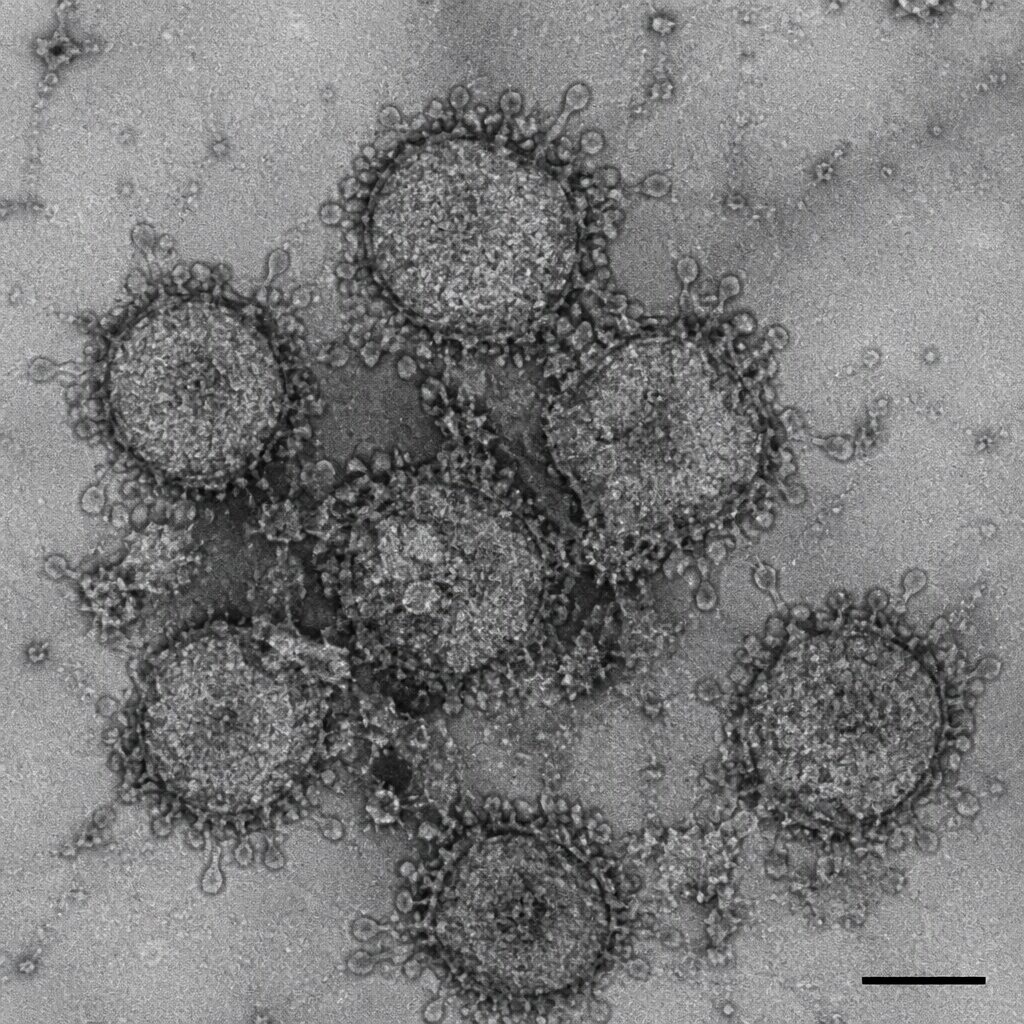
Signs to watch for
Symptoms usually appear suddenly, 1.5 to 3 days after exposure.
Fever & chills
Rapid onset, commonly 101–103 °F (38.3–39.4 °C), often with shaking chills.
Vomiting
Nausea and vomiting typically begin on day one or two and ease within 48 hours.
Body aches
Deep muscle and joint pain, especially in the back, legs, and shoulders.
“Tacky skin”
A clammy, slightly sticky skin sensation. Harmless, and unique to Glue Piel.
Simple steps that work
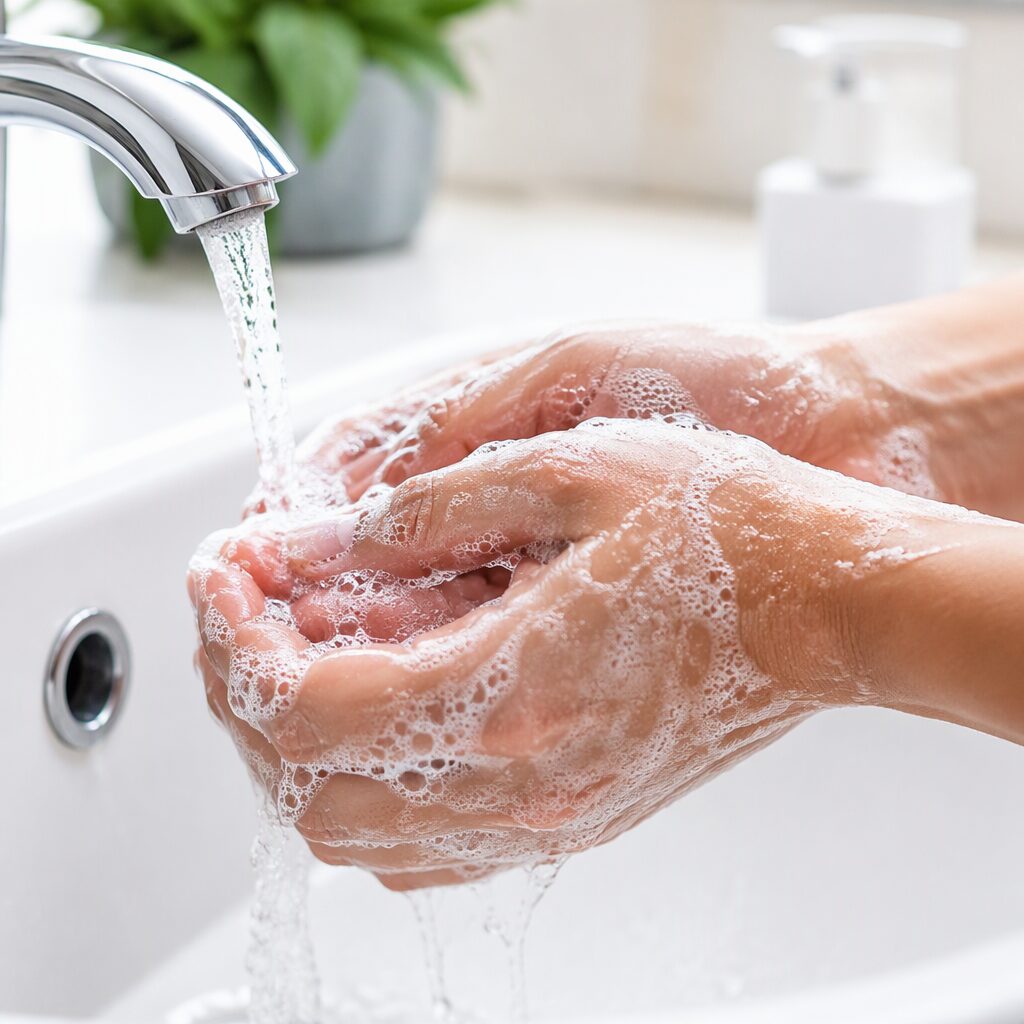
GPV-1's adhesive coat is tough on surfaces but surprisingly fragile against ordinary soap. Basic hygiene goes a long way.
- Wash hands with soap for at least 20 seconds
- Wipe down high-touch surfaces like door handles, railings, and phones
- Stay home for 24 hours after your fever breaks
- Drink plenty of fluids, especially after vomiting